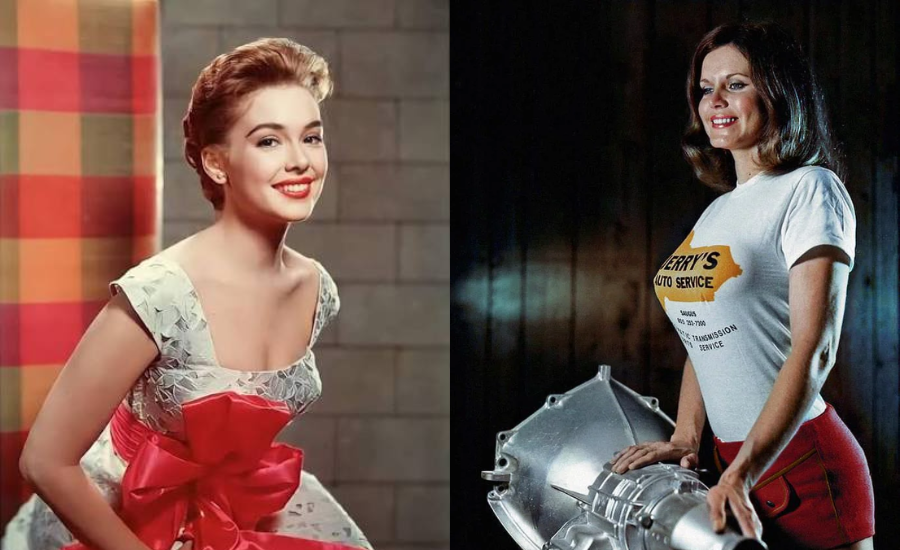

Barbara Roufs was an American trophy girl who became a familiar face at drag racing events in the 1970s. She handed out awards to winning drivers and helped bring energy and style to the sport. Many fans still remember her today because of old photos that show her at famous racetracks. This article looks at her life, her time in racing, and the sad way it ended.
Bio Table
| Category | Details |
|---|---|
| Full Name | Barbara Jean Riley Roufs |
| Born | 1944, Southern California, USA |
| Died | January 1991 (age 47) |
| Profession | Drag racing trophy girl, model |
| Known For | Trophy presentations at Orange County International Raceway and PDA events |
| Title | Professional Dragster Association (PDA) Queen, 1973 |
| Daughter | Jet Dougherty |
| Hometown | Clovis/Fresno, California |
| Height | About 5 feet 5 inches |
Early Life and Family Background
Barbara was born in 1944 in Southern California. Her father, Wayne Eldon Riley, enjoyed motorcycle racing and competed at a local track called the Kearney Bowl. Her mother, Thelma Ruby Riles, ran a beauty salon in Clovis for many years and also played music at a local church. Barbara grew up around speed and racing because of her father, and around style and beauty because of her mother.
She had three siblings named Vivian, James, and Bruce. Her family also welcomed an adopted brother named Ben. Barbara’s parents were well liked in their town. Later on, they became the first couple honored in the Clovis Hall of Fame. Growing up in this kind of home gave Barbara an early taste of both motorsports and public life.
Read More: David Nehdar
Education and Early Interests
There is not much public information about Barbara’s school years. Records about her early education have not been widely shared. What is known is that she grew up during a time when car culture was growing fast in Southern California. Drag strips were opening across the region, and local races drew large, excited crowds.
It’s likely that these events sparked her early interest in motorsports. Watching races as a young woman may have given her a taste for the excitement she would later bring to the racetrack herself. Her father’s motorcycle racing background likely played a role too, since it gave her firsthand exposure to competition and speed from a young age.
Career Beginning
Barbara started working as a drag racing trophy girl in the late 1960s. At the time, most trophy girls were in their early twenties. Barbara was about 29 when she began, which made her older and more experienced than many others in the same role. This gave her a calm and confident presence that stood out.
Her main job was to present awards to winning drivers at the end of races. She quickly became a familiar face at Orange County International Raceway, one of the most well-known tracks in Southern California at the time. Fans and racers both took notice of her friendly attitude and steady presence at events.
Career Growth and Achievements
Barbara’s popularity grew steadily through the early 1970s. In 1970, she was named queen of the 6th Annual U.S. Professional Dragster Championship at Orange County International Raceway. This was an early sign of her growing status in the sport.
Her biggest achievement came in 1973, when she was crowned queen of the Professional Dragster Association, often shortened to PDA. This title placed her among the most recognized trophy girls of her time. She appeared often in racing magazines and promotional photos, which helped spread her image across the drag racing community.
Photographer Tom West took many pictures of Barbara during this period. His photos captured her at racetracks, often smiling and interacting with drivers and fans. These images later became well known among racing fans and collectors, helping keep her memory alive long after her career ended.
Barbara’s presence also had a wider effect. She showed that trophy girls could bring real personality and professionalism to their role, not just a decorative appearance. Her confidence and warmth helped shape how people viewed women working in motorsports during that era.
Personal Life
Barbara kept most of her personal life private, even while she was well known at racetracks. She was married, though little information about her husband has been shared publicly. What is known is that she took his last name, Dougherty, for at least part of her life, while remaining publicly known as Barbara Roufs.
She had one daughter, named Jet Dougherty. Barbara balanced her public role in racing with her responsibilities as a mother. Friends and coworkers from the racing world described her as kind, warm, and easy to get along with. She reportedly enjoyed keeping her family separate from her public image.
In 2016, old photos of Barbara from her early racing days were shared online by photographer Tom West. Her daughter Jet saw the post and left a comment about her mother. She shared that Barbara had been loved by many people and would likely have felt proud to see the photos again, since they showed some of the happiest parts of her life.
Challenges
Like many public figures from her era, Barbara’s private struggles were not widely known during her lifetime. As drag racing changed in the late 1970s and early 1980s, the role of trophy girls slowly became less common at events. This shift likely affected many women who had built a public identity around the role, including Barbara.
Details about the difficulties she may have faced later in life remain limited. Her family has kept much of this part of her story private, and there is little detailed public record explaining what led to her death.
Net Worth and Lifestyle
Barbara did not earn the kind of income seen by major celebrities of her time. Trophy girls typically earned modest pay through event appearances and modeling work connected to racing sponsors. Some estimates suggest her earnings during her career were relatively modest by today’s standards, though exact numbers are not confirmed.
Her lifestyle centered around the racing circuit, which involved frequent travel, long event days, and appearances at tracks across Southern California. Despite the demanding schedule, she was known for keeping a cheerful and steady attitude throughout her time in the sport.
Conclusion
Barbara Roufs left a lasting mark on 1970s drag racing culture. She brought warmth, confidence, and professionalism to a role that many overlooked at the time. Though she passed away in 1991, her photographs and her story continue to be shared among racing fans today. She is remembered not just for her looks, but for the genuine energy she brought to every event she attended.
FAQs
1. Who was Barbara Roufs?
Barbara Roufs was an American trophy girl and model known for her work at drag racing events during the 1970s.
2. When was Barbara Roufs born?
She was born in 1944 in Southern California.
3. What was Barbara Roufs famous for?
She was famous for presenting trophies at drag racing events, including at Orange County International Raceway, and for being crowned PDA Queen in 1973.
4. Did Barbara Roufs have children?
Yes, she had one daughter named Jet Dougherty.
5. When did Barbara Roufs die?
She passed away in January 1991 at the age of 47.
6. Why is Barbara Roufs still remembered today?
She is remembered through vintage photographs, especially those taken by photographer Tom West, which continue to circulate among drag racing fans online.